


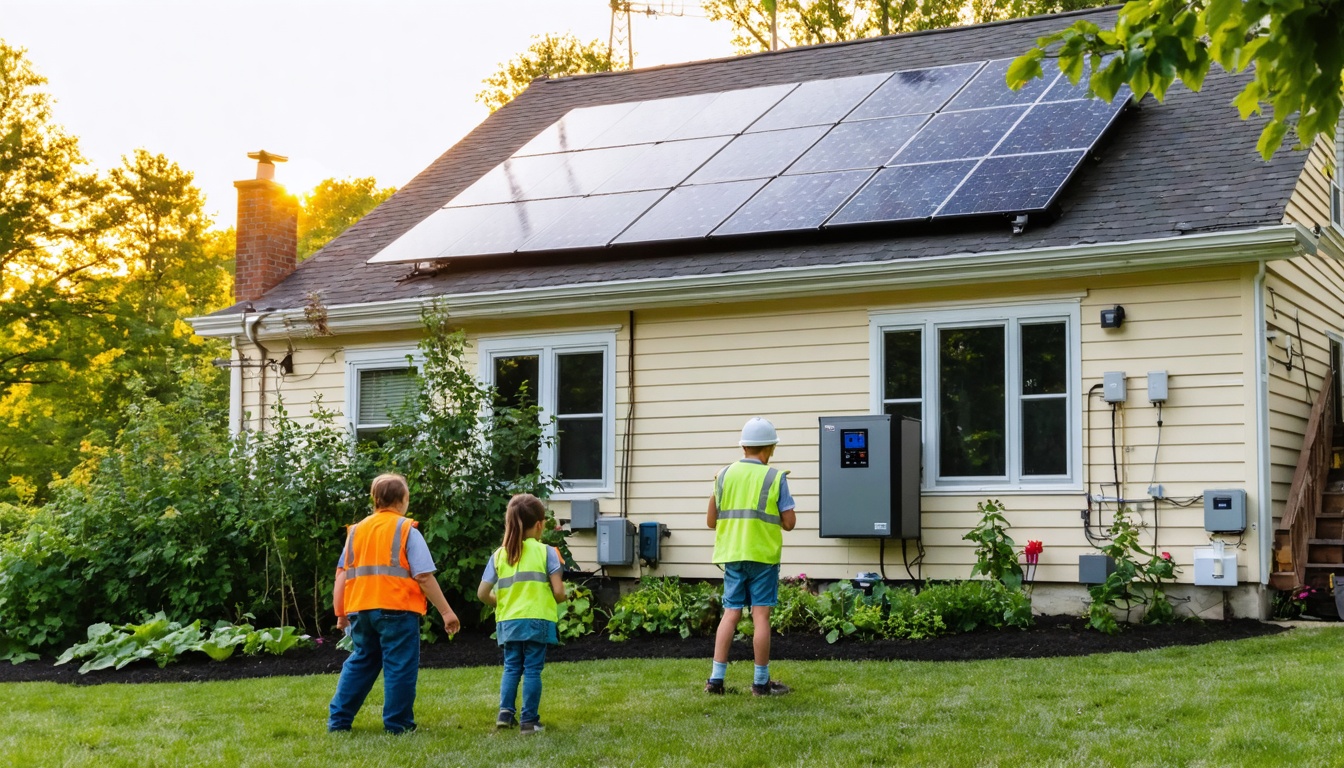
What a More Resilient Home Energy Plan Looks Like in Connecticut
Connecticut’s approach to energy resilience is increasingly relevant as residents seek reliable power amid changing weather patterns and rising energy costs. The state has implemented several strategies to enhance energy resilience, focusing on the integration of renewable energy sources, energy efficiency initiatives, and support programs for consumers. Renewable energy options, including solar power, have gained traction in Connecticut. The state has implemented various incentives for residential solar installations, which can reduce dependence on traditional energy sources and potentially lower electricity costs over time. Additionally, advancements in energy storage technology, such as home battery systems, allow residents to store excess energy produced during peak solar generation for use during outages or high-demand periods. Connecticut also offers targeted programs aimed at promoting energy efficiency. These may include rebate programs for energy-efficient appliances, assessments to identify energy-saving opportunities in homes, and financing options to assist with the upfront costs of improvements. These initiatives not only help consumers save on energy bills but also contribute to reduced energy consumption overall. Moreover, understanding the potential risks posed by extreme weather is crucial for homeowners. The state's energy infrastructure is being updated to withstand such events, which can impact the reliability of electricity supply. Evaluating how individual homes can mitigate these risks—through measures like flood-resistant systems and backup energy solutions—can further enhance resilience. By exploring these options, Connecticut residents can develop a comprehensive energy plan that addresses both reliability and sustainability, enabling them to better navigate the evolving energy landscape.
Definition and Role of Clean Energy in Connecticut
In Connecticut, clean energy refers to electricity, heating, and fuels derived from renewable sources, including wind, solar, geothermal, and hydropower. For instance, Residential Solar Panels in Connecticut have gained popularity as a reliable and sustainable option for residents. Public policy is instrumental in developing energy programs that aim to be both affordable and climate-resilient, particularly for residents in older homes and affordable housing.
The Connecticut Green Bank is a key institution in facilitating access to clean energy through various measures, such as promoting the use of heat pumps, designed to benefit individuals across different income levels.
The shift toward renewable energy sources has been linked to several positive outcomes, including improvements in public health, equitable access to energy resources, and alignment with emissions regulations.
A range of assessment tools and informational services is available to support homeowners in making informed choices that enhance energy efficiency and resilience in their residences. These initiatives are critical in integrating renewable energy within the state's energy framework, aligning with long-term sustainability objectives.
Addressing Energy Resilience for Vulnerable Communities
In Connecticut, residents in vulnerable communities face significant challenges regarding reliable energy access, especially during extreme weather conditions and extended power outages. Individuals living in affordable housing or older buildings often lack access to modern energy systems, which can negatively impact their energy resilience and health outcomes.
The Connecticut Green Bank administers programs designed to improve energy access and equity for lower-income families. The Connecticut Energy Storage Solutions Program and the Home Energy Solutions℠ initiative are examples of such programs that aim to reduce electricity and heating costs for participants. These initiatives also provide options for backup power, thereby increasing energy security during outages.
It is essential that public policies support both climate resilience goals and the energy alternatives available to these communities. Aligning these policies can create a more equitable energy landscape that addresses the specific needs of vulnerable populations effectively.
By focusing on practical solutions and support systems, stakeholders can work towards enhancing energy resilience in these communities.
Statewide Clean Energy Initiatives and Programs
Connecticut is implementing various statewide initiatives aimed at enhancing energy resilience through the adoption of clean and reliable power solutions. Notable programs include the Shared Clean Energy Facility, which aims to increase access to renewable electricity and promote fuel diversification within the state's energy portfolio.
The Microgrid and Resilience Grant and Loan Program is specifically oriented toward supporting localized energy generation for critical public service facilities. This program seeks to strengthen the climate resilience of these essential sites by ensuring they have reliable energy sources during climate-related disruptions.
The Home Energy Solutions℠ program provides customized assessments focused on improving energy efficiency in older homes and affordable housing. This initiative aims to decrease overall energy consumption and associated heating costs for residents, contributing to economic savings and efficiency improvements in the housing sector.
To address economic disparities, Enhanced Incentives are offered to lower barriers for accessing Green Bank-supported energy services. This strategy is designed to promote equity among residents by making clean energy options more accessible to low- and moderate-income households.
Furthermore, the Energy Storage Solutions initiative intends to strengthen backup power capabilities. This program has potential implications for public health and aims to support vulnerable communities that may be disproportionately affected by energy disruptions.
In summary, Connecticut's clean energy initiatives reflect a structured approach to developing a more sustainable energy system while addressing resilience, equity, and efficiency within the state's energy landscape.
Collaborations Among Key Partners
A network of strategic partnerships is critical for the advancement of home energy resilience initiatives. The collaborative effort involves key organizations such as the Clean Energy Group, Connecticut Green Bank, Yale School of Medicine, Operation Fuel, and American Microgrid Solutions.
These partnerships focus on improving access to affordable housing, enhancing public services, and bolstering power resilience for low-income residents and individuals residing in older homes.
The partners participate in joint program assessments, including the Technoeconomic Analysis, which facilitates a thorough evaluation of energy equity and public health outcomes. Their initiatives prioritize clean, renewable electricity, site-based heating solutions, and the implementation of technologies like heat pumps.
These efforts aim to ensure that energy and climate policy decisions in Connecticut protect the rights of all residents and align with the broader goals of energy resilience and equity.
Technologies and Practices for Sustainable Power
The sustainable power landscape in Connecticut is influenced by a range of technologies and practices focused on building a resilient and economically viable energy system. The adoption of renewable solutions, such as heat pumps and biofuels, aims to improve the reliability of home heating and electricity services while enhancing energy resilience.
Key initiatives in the state operate under the STEPS framework, which prioritizes the benefits of clean energy developments for all residents and aligns with established climate goals. Organizations like HeatSmart Connecticut address the specific needs of older homes, promoting the availability of affordable housing and equitable access to energy resources, regardless of income levels. These initiatives are linked to potential improvements in health outcomes and lower fuel costs for homeowners.
The Connecticut Green Bank plays a crucial role in advancing public policies and providing essential assessments and services for the incorporation of renewable energy in residential applications. It aims to ensure that homeowners have access to comprehensive information regarding sustainable options, thereby promoting the adoption of renewable technologies.
In conclusion, Connecticut's strategy for sustainable power emphasizes renewable solutions, equitable access, and supportive policy integration, all aimed at enhancing energy resilience and affordability for its residents.
Home Energy Solutions: Assessment and Savings
Home Energy Solutions℠ offers homeowners in Connecticut a structured approach to enhancing energy efficiency and lowering energy costs. This public service program conducts in-home assessments to identify practical measures for improving property resilience. Homeowners receive a comprehensive report that features a U.S. Department of Energy Home ScoreTM, outlining suggested upgrades such as insulation, heating systems, and heat pumps.
These recommendations are relevant to both newer and older homes, including those that utilize renewable energy sources.
The program incorporates specific incentives aimed at addressing equity issues among low-income households, with the goal of improving health outcomes and supporting affordable housing initiatives.
Various initiatives from the Connecticut Green Bank, alongside supportive state policies and climate resilience strategies, work towards ensuring that access to clean electricity and energy savings extends to income-eligible residents.
These measures reflect an ongoing commitment to enhancing energy efficiency while also addressing the socioeconomic disparities within the community.
Program Participation Models and What to Expect
If you are considering participation in the Home Energy Solutions℠ program, it is essential to understand the structured options available. The program comprises two participation models tailored to meet the differing needs of homes.
For residences constructed after 1985, a single-visit model is utilized, which combines assessment and the implementation of improvements into one appointment. This approach can help improve energy efficiency and result in cost savings.
In contrast, homes built before 1985, or those presenting certain challenges, may require a two-visit model. The first visit focuses on a comprehensive assessment of the home, while the second visit is dedicated to sealing and necessary upgrades aimed at improving energy performance.
Starting in April 2026, a copayment of $40 will be instituted for the assessment phase of the program. However, income-based equity incentives will be available to ensure that eligible residents of Connecticut have access to affordable upgrades.
These incentives could facilitate enhancements in energy efficiency, lower electricity costs, and potentially improve living conditions through better energy performance. This framework reflects a commitment to making energy upgrades accessible to a wider segment of the population.
Identifying the Best Energy Plan for Your Home
Selecting the most suitable energy plan for your home requires careful evaluation of several key factors, including the age, size, and energy needs of your residence. The construction year of your home is particularly important, as it can impact both energy efficiency and eligibility for various energy-saving programs, such as Home Energy Solutions℠.
In Connecticut, public service assessments are offered to enhance energy equity and resilience, which may be advantageous for older homes needing significant upgrades to heating, electricity, and fuel systems.
Additionally, there are a range of affordable options available that support clean energy initiatives, improve health outcomes, and bolster climate resilience. Homeowners should consider group policies, resources from the Green Bank, and the specific benefits associated with heat pumps and renewable energy technologies.
By carefully evaluating these elements, homeowners can make informed choices that align with their energy needs while considering financial implications, leading to more effective energy management.
Exploring Income-Based Incentives
Support for households with moderate incomes plays a crucial role in Connecticut's approach to enhancing energy resilience. Specifically, programs targeting households with incomes between 60% and 80% of the area median, such as Home Energy Solutions Income Eligible, provide financial assistance for energy efficiency upgrades. These assistance programs include no-cost home energy assessments, which can help reduce electricity and heating costs, particularly in older homes.
The state also offers public services, including heat pumps and Renewable Fuel Solutions, with backing from the Green Bank. These initiatives seek to foster equitable access to energy and aim to improve health outcomes for residents.
To ensure that support reaches those most in need, income verification is performed through the Energize Connecticut Site. This verification process is designed to align policy objectives with climate goals and supports the development of more resilient and environmentally sustainable housing.
Overall, Connecticut's strategy reflects a systematic approach to addressing energy efficiency and equity, while also aiming to support climate-related objectives through targeted assistance for eligible households.
Additional Resources for Homeowners and Stakeholders
Homeowners and stakeholders can utilize a range of resources designed to enhance household energy resilience through a systematic approach.
The Connecticut Home Energy Solutions℠ assessment provides tailored guidance and actionable insights aimed at improving energy efficiency and minimizing fuel expenses, relevant for both older and newer properties.
In addition, programs like Energy Storage Solutions are in place to enhance electricity reliability, particularly for residents with specific health requirements.
Homeowners may benefit from services offered by public service contractors and can also evaluate cost-effective heating alternatives, such as heat pumps, with the assistance of the Connecticut Green Bank.
Moreover, collaborative renewable energy projects contribute to advancing Clean Energy equity and enhancing climate resilience.
For comprehensive information on policies and available programs, stakeholders are advised to refer to the Energize Connecticut website.
Conclusion
To enhance home energy resilience in Connecticut, it is advisable to consider clean energy solutions and invest in improvements that can better safeguard households from the impacts of climate change. Connecticut residents have access to various state programs that promote the adoption of renewable energy sources, such as solar power, and energy-efficient upgrades. Engaging with local partners, including utility companies and community organizations, can provide additional resources and support. For instance, participating in community solar programs allows residents to benefit from renewable energy without the need for individual solar installations. Furthermore, there are financial incentives available that can offset costs associated with energy improvements and renewable installations. Implementing these measures can lead to a more reliable energy infrastructure for both individuals and the broader community, contributing to a sustainable energy future. It is essential for homeowners to assess their options and take calculated actions to enhance their energy security, thereby aligning with state efforts towards a more resilient energy framework.

The project can be classified as a "Super Deposit" and can support a "Super Mine" status for more than 100 years.
